“Good Boy” and the Silent Gaze That Haunts: A Canine’s View of Terror
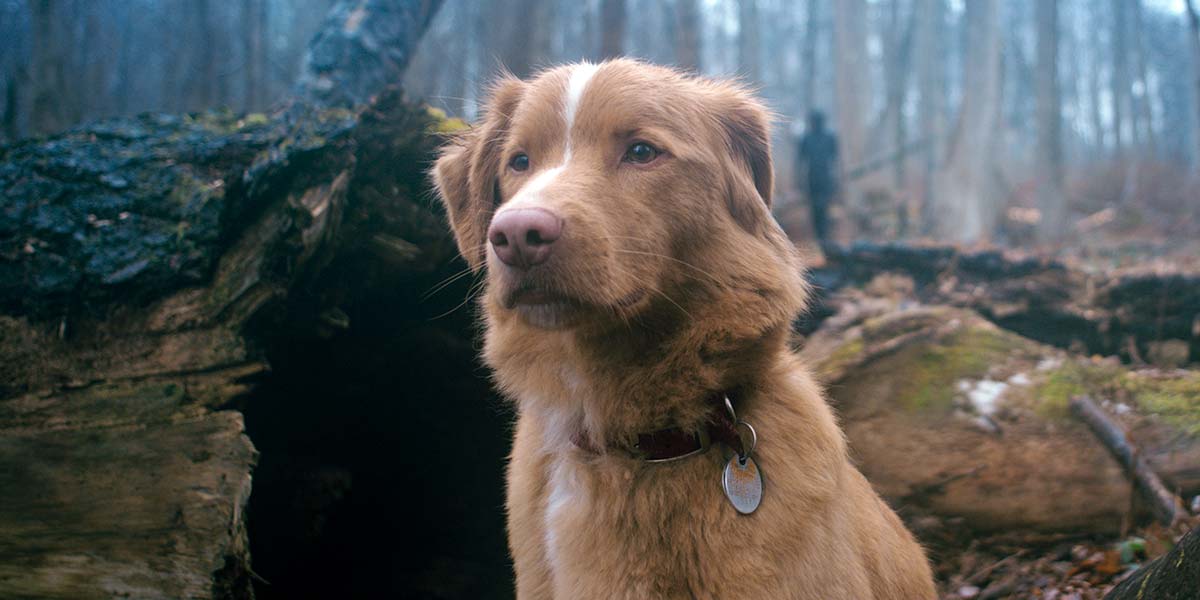
In the crowded field of supernatural thrillers debuting this fall, Good Boy stakes its claim as one of the most audacious. A horror film told entirely from the eyes of a dog—not a metaphorical dog, but Indy, a Nova Scotia Duck Tolling Retriever—Good Boy reorients familiar genre tropes into something eerie, intimate, and quietly heartbreaking.
“I was incredibly excited. So my background is not actually in filmmaking. I’m a scientist … After developing the film … it became clear that the way that we could make this film effectively was for us to be the ones that are essentially on set with Indy, interacting with him … He’s most comfortable with us.” — Kari Fischer
A Haunting Through the Tail-Wags
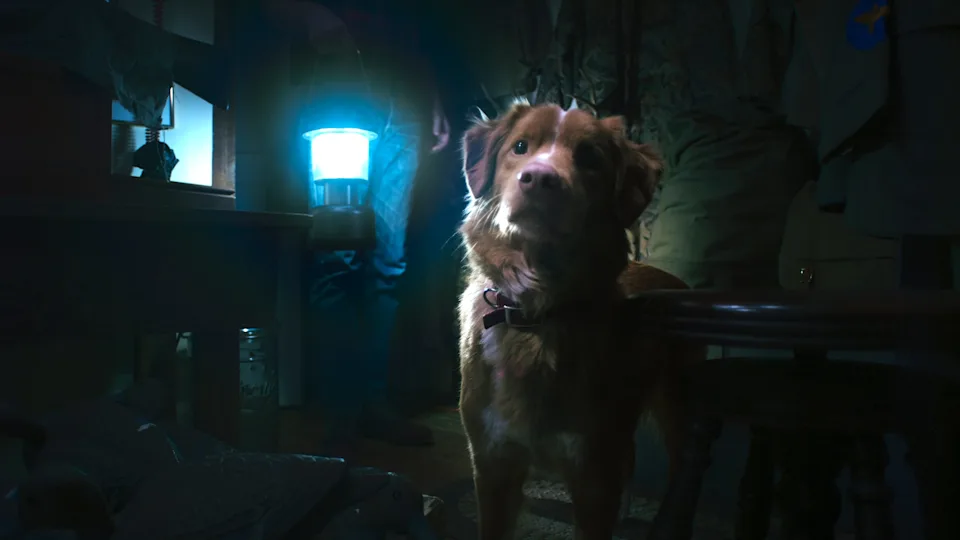
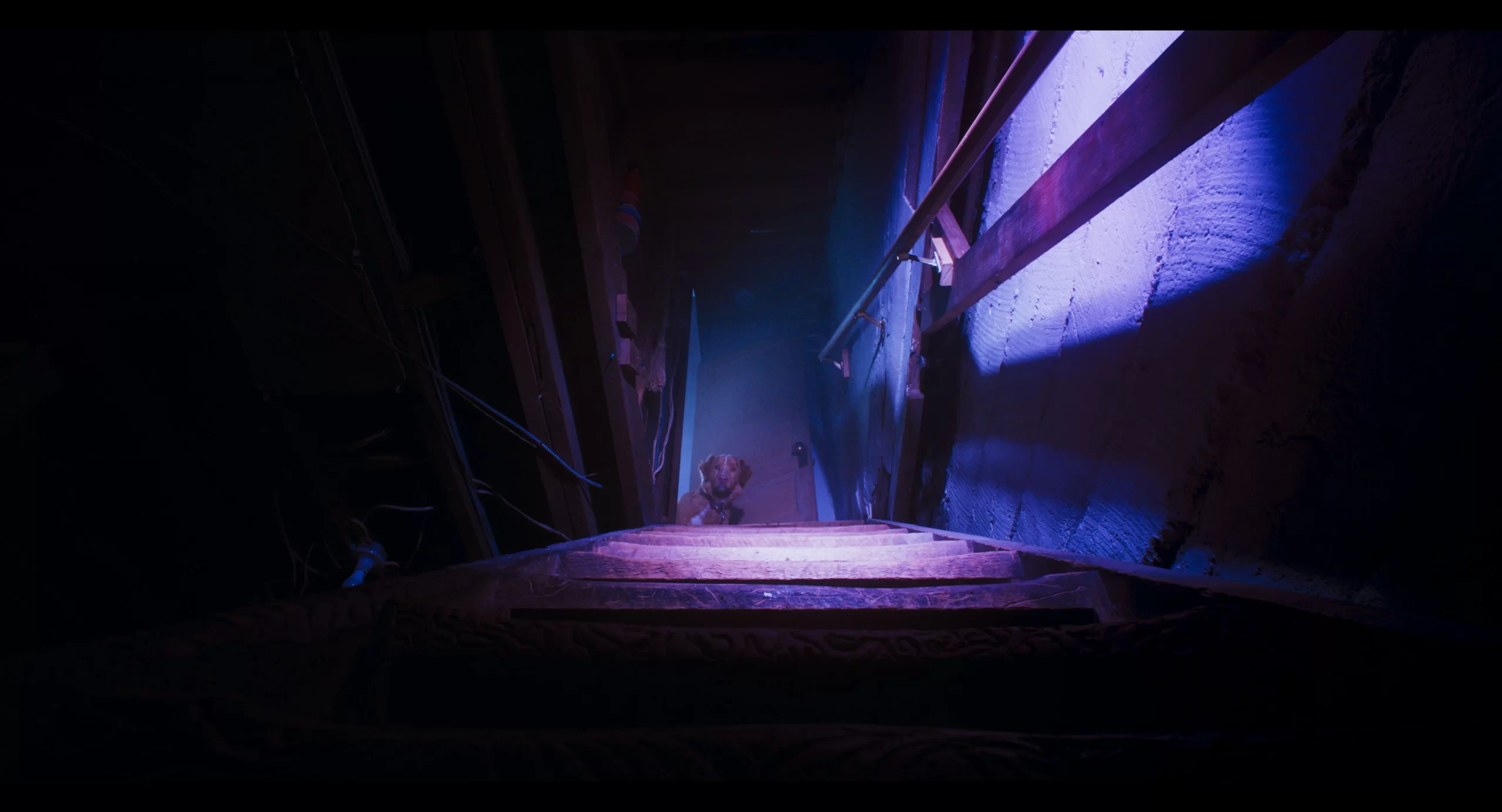
At its core, Good Boy rethinks how haunted-house stories can function. Rather than placing us in the perspective of a terrified human, this film puts us in the paws of Indy, forcing us to interpret shadows, creaks, and half‑glimpsed forms with only sensory clues as guides. The result is a thriller that never shouts; it insinuates.
Indy’s viewpoint becomes our emotional compass. When he pauses, ears perked, we strain to hear what he hears. When he snarls or cowers in a corner, we begin to suspect we’re missing something just out of frame. This perceptual gap becomes the film’s main engine—less about what we see, and more about what Indy knows in his dog-level way.
Critics have lauded the film’s empathy for its four-legged star. As The Guardian noted, Indy is the “heroic pet” at the film’s center, asking an audience to consider not just what he observes but what he cannot express.
Making the Unfilmable: 400 Days of Paw-litical Cinema
If the concept of filming from a dog’s POV seems gimmicky on the surface, the backstory reveals it to be a bold, painstaking gamble. Director Ben Leonberg and producer/co‑writer Kari Fischer built the movie around their own dog, Indy, with no doubles, no CGI, and a shooting schedule spread across over 400 days across three years.
Leonberg embraced what many film sets fear: unpredictability. He used stuffed “stand‑ins” for lighting and blocking, rehearsed scenes around Indy’s temperament, and designed the entire production to flex with his schedule. As he told FilmHounds, “Dogs can’t do 12‑hour days. The most you’d ever get is maybe three hours.”
This labor of love paid off in the subtle moments: a glint in Indy’s eye, a slow tilt in his head, a pause that lingers just long enough. These are not perfectly staged beats—they’re born from patience.
Fear, Loyalty, and the Limits of Communication
Because Indy cannot speak, the film relies heavily on sound design and point-of-view editing to carry tension. Footsteps, breathing, the jangle of a collar—all are amplified to the level of whispers in a dark hall. The human characters fade into the background; their voices, when heard, are muffled, distant. We see them only when Indy sees them, always through his filter.
It’s here that Good Boy sows one of its most painfully effective ideas: loyalty in the face of helplessness. Todd (Shane Jensen), Indy’s owner, is battling a mysterious illness and a growing psychic influence from the house. Indy’s attempts to intervene—barking, shadow-chasing, pacing—are all met with what feels like futility. He can sense, but he cannot reason. The horror lies not in jump scares, but in emotional powerlessness.
In interviews, Leonberg positions Indy not as a character arc but as a static protagonist—pure and consistent in his concern. “He’s as good and pure at the beginning as at the end,” he said.

In the crowded field of supernatural thrillers debuting this fall, Good Boy stakes its claim as one of the most audacious. A horror film told entirely from the eyes of a dog—not a metaphorical dog, but Indy, a Nova Scotia Duck Tolling Retriever—Good Boy reorients familiar genre tropes into something eerie, intimate, and quietly heartbreaking.
“I was incredibly excited. So my background is not actually in filmmaking. I’m a scientist … After developing the film … it became clear that the way that we could make this film effectively was for us to be the ones that are essentially on set with Indy, interacting with him … He’s most comfortable with us.” — Kari Fischer
A Haunting Through the Tail-Wags
At its core, Good Boy rethinks how haunted-house stories can function. Rather than placing us in the perspective of a terrified human, this film puts us in the paws of Indy, forcing us to interpret shadows, creaks, and half‑glimpsed forms with only sensory clues as guides. The result is a thriller that never shouts; it insinuates.
Indy’s viewpoint becomes our emotional compass. When he pauses, ears perked, we strain to hear what he hears. When he snarls or cowers in a corner, we begin to suspect we’re missing something just out of frame. This perceptual gap becomes the film’s main engine—less about what we see, and more about what Indy knows in his dog-level way.
Critics have lauded the film’s empathy for its four-legged star. As The Guardian noted, Indy is the “heroic pet” at the film’s center, asking an audience to consider not just what he observes but what he cannot express.
Making the Unfilmable: 400 Days of Paw-litical Cinema
If the concept of filming from a dog’s POV seems gimmicky on the surface, the backstory reveals it to be a bold, painstaking gamble. Director Ben Leonberg and producer/co‑writer Kari Fischer built the movie around their own dog, Indy, with no doubles, no CGI, and a shooting schedule spread across over 400 days across three years.
Leonberg embraced what many film sets fear: unpredictability. He used stuffed “stand‑ins” for lighting and blocking, rehearsed scenes around Indy’s temperament, and designed the entire production to flex with his schedule. As he told FilmHounds, “Dogs can’t do 12‑hour days. The most you’d ever get is maybe three hours.”
This labor of love paid off in the subtle moments: a glint in Indy’s eye, a slow tilt in his head, a pause that lingers just long enough. These are not perfectly staged beats—they’re born from patience.
Fear, Loyalty, and the Limits of Communication
Because Indy cannot speak, the film relies heavily on sound design and point-of-view editing to carry tension. Footsteps, breathing, the jangle of a collar—all are amplified to the level of whispers in a dark hall. The human characters fade into the background; their voices, when heard, are muffled, distant. We see them only when Indy sees them, always through his filter.
It’s here that Good Boy sows one of its most painfully effective ideas: loyalty in the face of helplessness. Todd (Shane Jensen), Indy’s owner, is battling a mysterious illness and a growing psychic influence from the house. Indy’s attempts to intervene—barking, shadow-chasing, pacing—are all met with what feels like futility. He can sense, but he cannot reason. The horror lies not in jump scares, but in emotional powerlessness.
In interviews, Leonberg positions Indy not as a character arc but as a static protagonist—pure and consistent in his concern. “He’s as good and pure at the beginning as at the end,” he said.

2 Comments
-
-
Liz Newton
Not sure how excited I am about this one! Will give it a try! What going on tonight?
-


Robert R.
Hey, cannot wait to see this movie! The concept sounds so unique, and I love dogs, so I’m already hooked. Thank you for this article, Daniela! And good luck with the magazine—looks already amazing! 🐾🎬 See you tonight!