Origins and Early Life
Stan Douglas was born in 1960 in Vancouver, British Columbia, where he still lives and works. He studied fine art at the Emily Carr College of Art + Design in the early 1980s, setting the stage for a career that has consistently pushed the boundaries of historical narrative, media form, and cultural memory.
From early on, Douglas showed a fascination with the means by which history is recorded and remembered: how photography, film, theatre, and later installation or digital technology shape collective memory.
Nullam id dolor finibus, efficitur lorem ut, consequat nisl. Nunc sit amet mollis sem. Praesent accumsan laoreet massa a rhoncus. Sed non magna turpis. Nulla id semper magna. Mauris lobortis.
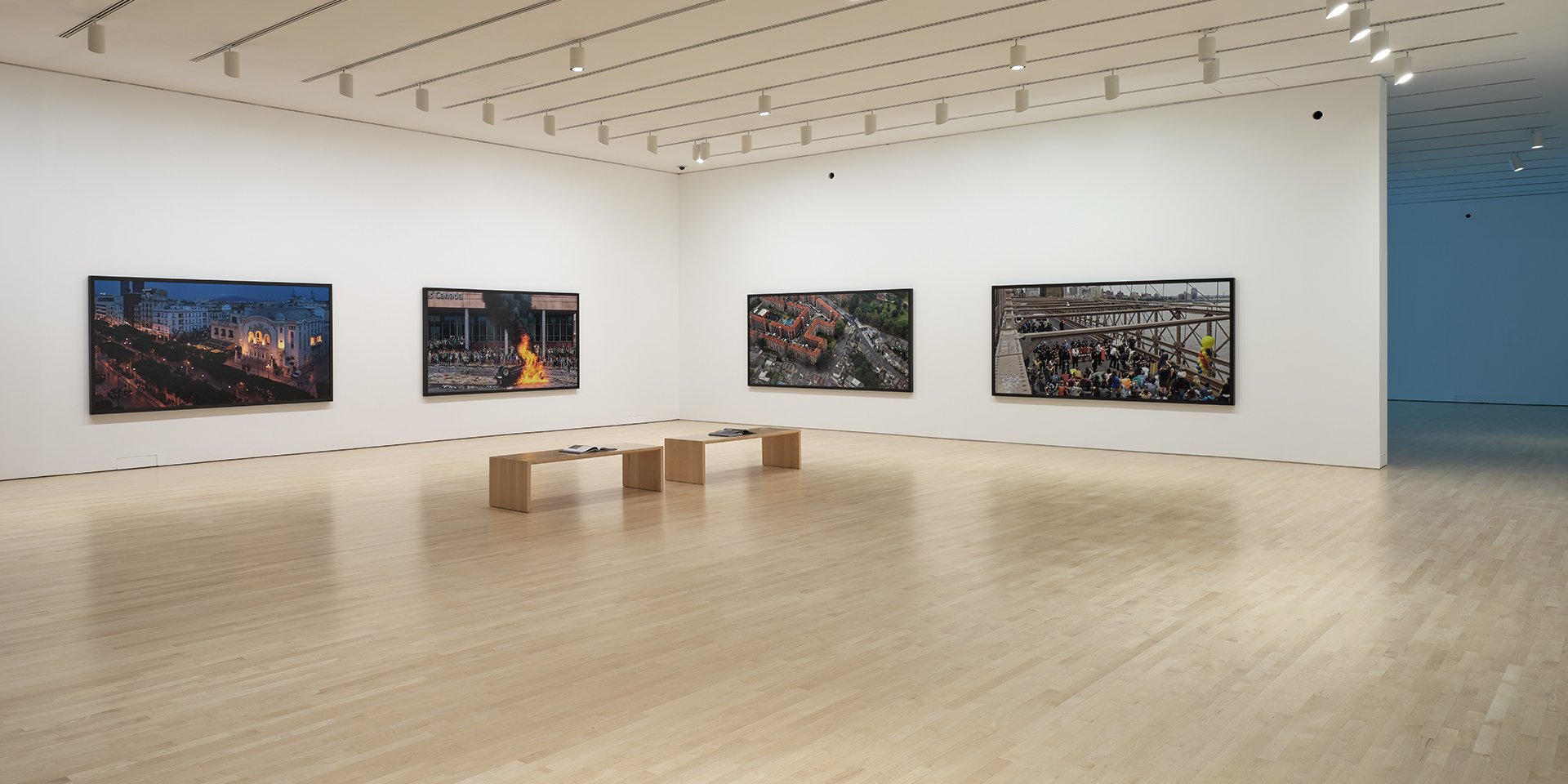
Douglas’s work spans photography, video, film, installations, theatre, and combinations of all of these. Two intertwined strands are especially central:
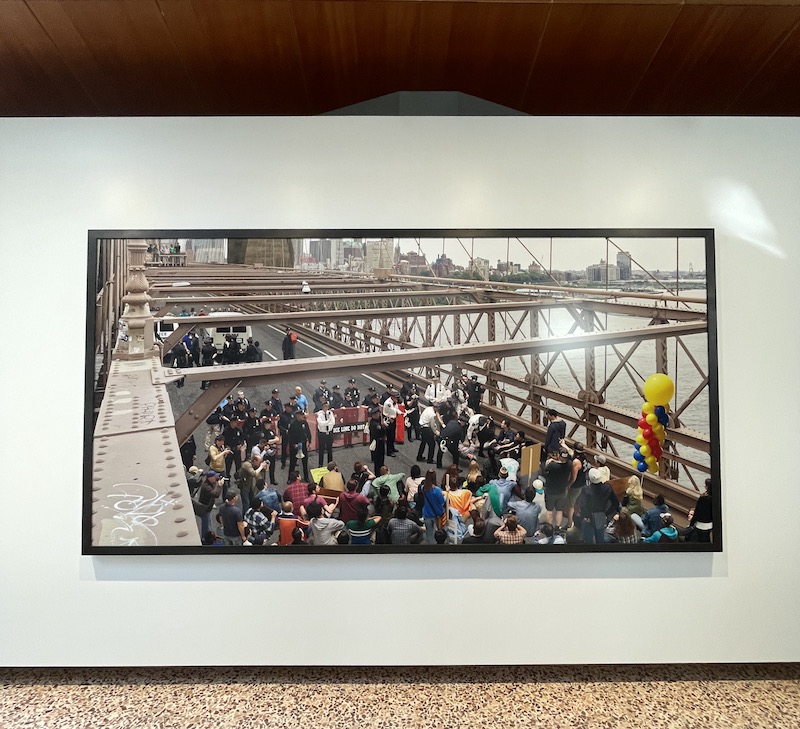
Remixing history & fictionalized reenactment
Douglas frequently takes archival materials, historical events, or literary texts, and re‑stages, re‑imagines or interweaves them with fiction. The goal is not to produce a purely documentary truth, but to unsettle the received record and expose its omissions or distortions.
Technology, representation, and power
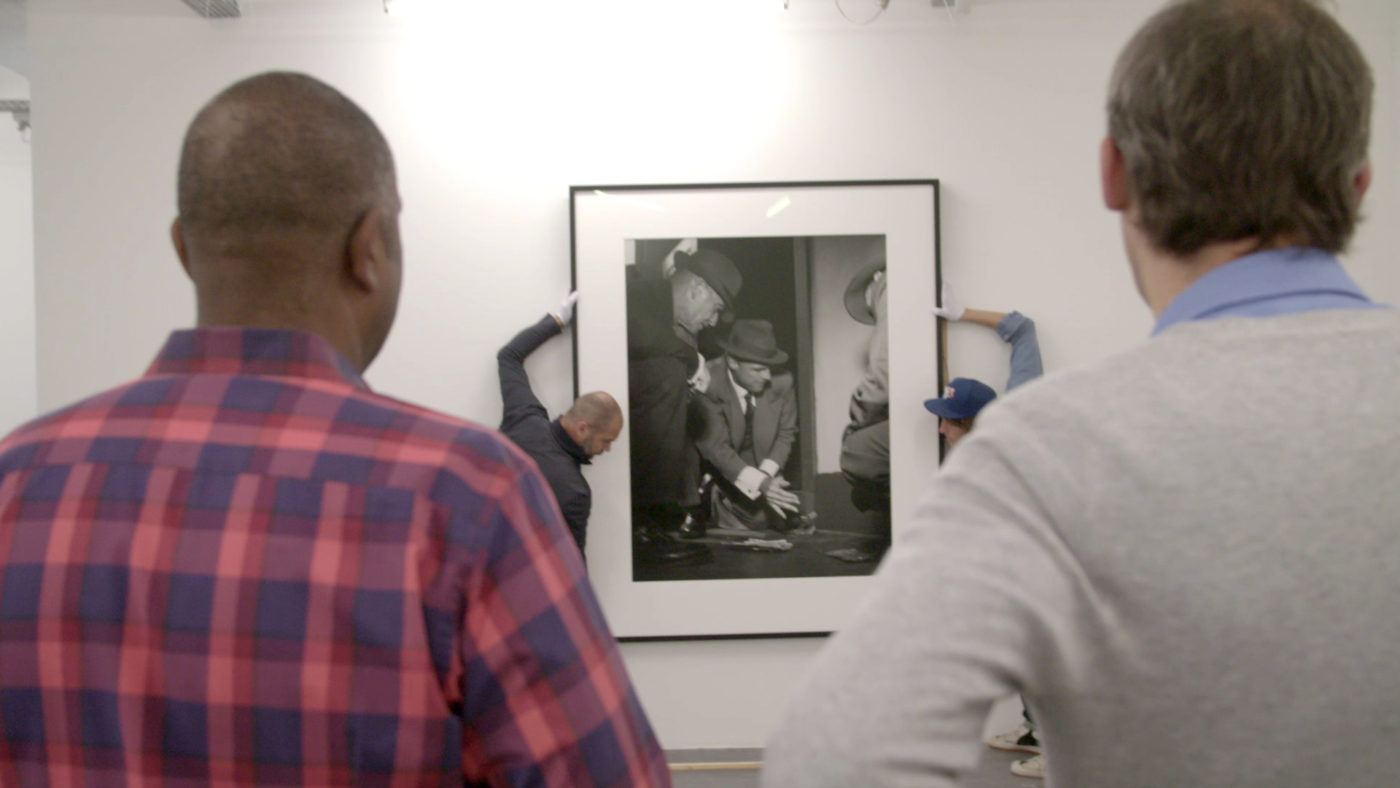
Whether through black‑and‑white film, photography, multi‑channel video installations, or theatrical staging, Douglas probes how media shapes ideology: race, empire, identity, class. He asks: whose stories have been written into the archive, whose have been erased, and how we might re‑vision or re‑claim them.
Throughout his career, he has been recognized with many awards: for example, the Infinity Award from the International Center of Photography (2012), the Hasselblad Foundation Award (2016), the Audain Prize for Visual Art (2019).
Lorem ipsum dolor sit amet, consectetur adipiscing elit. Donec ac lectus mi. Curabitur non ligula facilisis, ultrices ex sed, viverra justo. Curabitur
condimentum, sem nec ornare fermentum
augue erat bibendum urna, vitae dignissim tellus turpis a est. Morbi porta velit at aliquam maximus. Nullam id dolor finibus, efficitur lorem ut, consequat nisl. Nunc sit amet mollis sem






Leave a Reply